Journal

Thibault Liger-Belair – A Remarkable Visit in Burgundy
There are some Burgundy producers whose wines you admire for years before finally having the opportunity to visit. Thibault Liger-Belair has long been one of those producers for me, so I was absolutely delighted to finally spend time at the domaine, meet Thibault himself and discover more about the man behind these exceptional wines. It turned out to be one of those visits that reminds you exactly why you love working in the world of wine. Nine Generations in Burgundy, but a New Beginning The Liger-Belair family has been part of Burgundy's wine history for almost three centuries, with a fascinating family story. Thibault is related to Louis-Michel Liger-Belair of Domaine du Comte Liger-Belair. Their great-grandfathers were brothers, although the two wine businesses separated in the 1930s. What I found particularly interesting is that despite nine generations of family involvement in the wine business, Thibault and his cousin Louis-Michel are the first generation to actually become vignerons, working the vineyards and making the wines themselves. Thibault grew up in Paris, rather than amongst the vines of Burgundy, and there is something quite wonderful about the way he speaks of the opportunity he has inherited. He is an incredibly humble man, very open about the privilege of his upbringing and the extraordinary vineyards he has the opportunity to work with. But with that privilege comes something he clearly feels very strongly: a responsibility to look after these great terroirs and to produce the finest wines he possibly can from them. It is a philosophy that seems to influence every decision he makes. A Commitment to the Vineyards When Thibault took over the family vineyards in 2001, he began with just nine hectares. He quickly set about changing the way the land was managed, moving away from chemical treatments and working to restore the health and vitality of the vineyards. His ambition was not simply to maintain what he had inherited, but to leave the land in a better condition than he found it. By 2004, he had adopted biodynamic viticulture, an approach that continues to influence his work today. In 2008, he expanded into Beaujolais, bringing the same thoughtful approach to a different collection of vineyards and terroirs. Alongside the domaine wines, he also operates a négociant business, allowing him to work with additional vineyards and appellations. Throughout our conversation, what became increasingly apparent was the extraordinary attention he gives to every element of the winemaking process. And nowhere was this more fascinating than when we started talking about oak. The Extraordinary Detail Behind Every Barrel I could have spent the entire visit discussing oak with Thibault. Since 2005, he has personally selected the oak used for his wines, choosing particular trees for particular cuvées. Not simply choosing a forest or a cooper, but considering the individual tree and the characteristics of the wood itself. And he takes this even further. We talked about how the position of the wood within a tree can influence its character. The northern and southern sides of a tree experience different exposure to sunlight, wind and weather, potentially creating differences in the wood. Thibault considers these details when selecting the staves that will eventually become his barrels. It is an extraordinary level of attention, and a fascinating insight into how he thinks about his wines. For Thibault, oak is not simply a vessel for maturation. It is another element that must work in harmony with the wine and its terroir. Our conversation inevitably moved to the oak forests of Argonne and Henri Giraud Champagne, a producer whose wines I absolutely adore and whose approach to oak is equally fascinating. Interestingly, Thibault had experimented with Argonne oak for some of his Chardonnay, but didn't particularly like the result. Yet he was full of admiration for the way Henri Giraud uses it in Champagne. I loved this part of our conversation. Two producers working with exceptional wines, both paying extraordinary attention to oak, yet finding that what works beautifully for one wine may not work for another. It was one of those conversations that could have continued for hours. Even the Tasting Glass Changes with the Vintage Another wonderful detail that stayed with me was Thibault's approach to tasting glasses. We often discuss the importance of choosing different glasses for different grape varieties or wine styles. It is something we spend a great deal of time considering at Normanby. But Thibault takes this thinking a step further. He changes the glass he uses to taste his wines in the cellar depending on the vintage. For him, every vintage has its own character, structure and expression, and the glass should be chosen to best reveal those qualities. It is such a small detail, but one that says an enormous amount about the man. Nothing is simply done because that is how it has always been done. Everything is considered, questioned and adapted to suit the wine. The Man Behind the Wines I spent a very long time with Thibault, and could quite happily have stayed much longer. There were so many fascinating conversations, far more than I could possibly cover here. But what connected them all was his curiosity, his attention to detail and his willingness to question even the smallest elements of the winemaking process. Despite the extraordinary vineyards he works with and the history of the family name, there was no sense of complacency. Quite the opposite. Here is someone who recognises the opportunity he has been given and is determined to do everything possible to honour it. I left feeling inspired, invigorated and reminded of why I find the world of wine so endlessly fascinating. Thibault Liger-Belair Arrives at Normanby It is always exciting to introduce a new Burgundy producer to Normanby, but particularly so when there is a personal connection and a visit that has left such a lasting impression. We are absolutely delighted to now have Thibault Liger-Belair wines at Normanby and look forward to what we hope will be a very long association with Thibault and his domaine. Over the coming weeks, we will be introducing the wines through tastings in Auckland and Wellington, along with opportunities to explore his Bourgogne wines in-store. I am particularly looking forward to sharing not only the wines themselves, but some of the wonderful stories and conversations from my visit. Because sometimes the most memorable wines become even more special when you have had the opportunity to meet the person behind them.
Learn more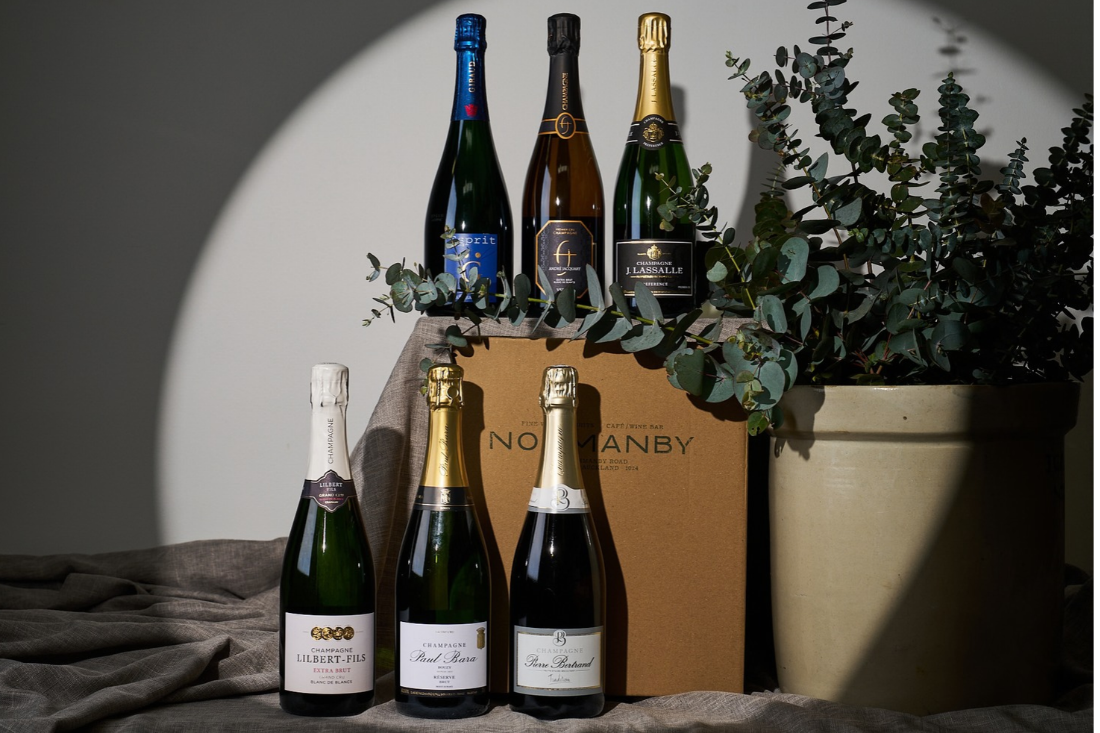
What is Grower Champagne? A Guide to Champagne’s Small Producers
Grower Champagne offers a fascinating look at another side of Champagne. Made by producers who grow their own grapes and make their own wines, these Champagnes can be wonderfully individual, reflecting the vineyard, village, vintage and producer behind them.
Learn more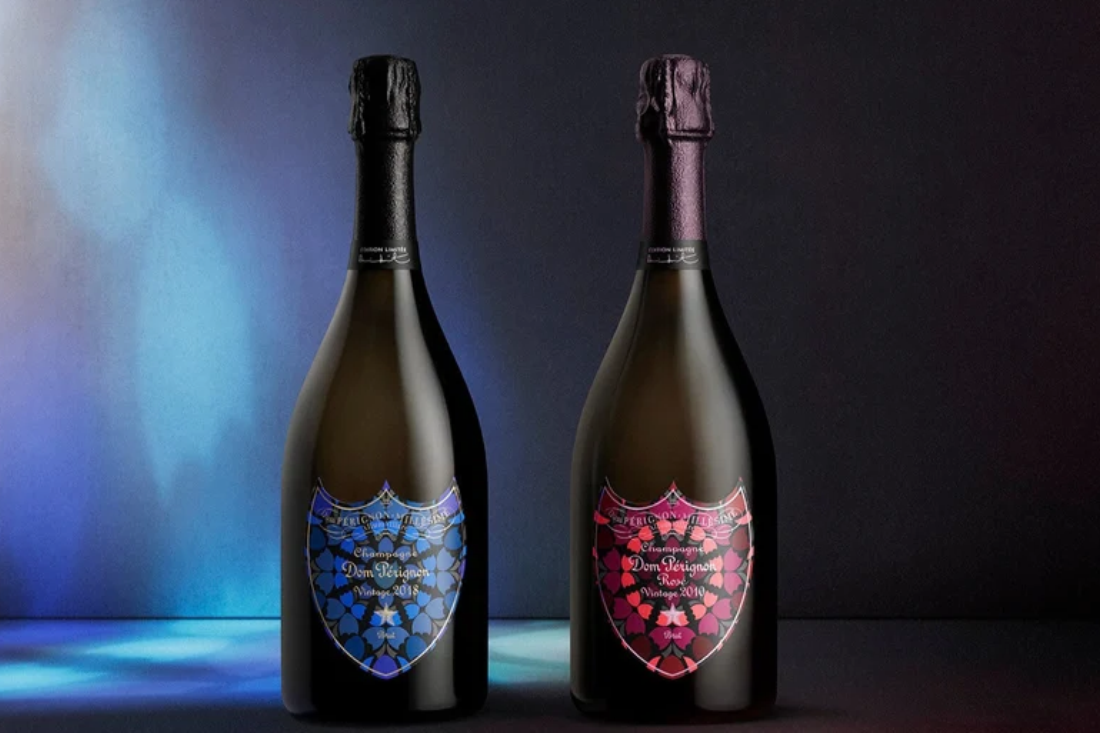
Dom Pérignon × Damien Hirst: Vintage 2018 Revealed
Dom Pérignon × Damien Hirst brings together one of Champagne’s most celebrated Maisons with one of the most recognisable figures in contemporary British art. For the 2026 Limited Edition, Damien Hirst draws inspiration from his iconic Kaleidoscope series, reimagining the historic Dom Pérignon shield through intricate patterns of repetition, movement and colour. At the heart of the collaboration are two remarkable Champagnes: Dom Pérignon Vintage 2018, presented in a striking deep blue design, and Dom Pérignon Rosé Vintage 2010, wrapped in warm pink. The collaboration explores a shared philosophy of assemblage, harmony and reinvention, connecting Hirst’s artistic practice with the creative approach behind every Dom Pérignon vintage. The Dom Pérignon Damien Hirst Limited Edition will be coming to Normanby Fine Wines in New Zealand. Register your interest now for early access and further information when these highly anticipated wines arrive.
Learn more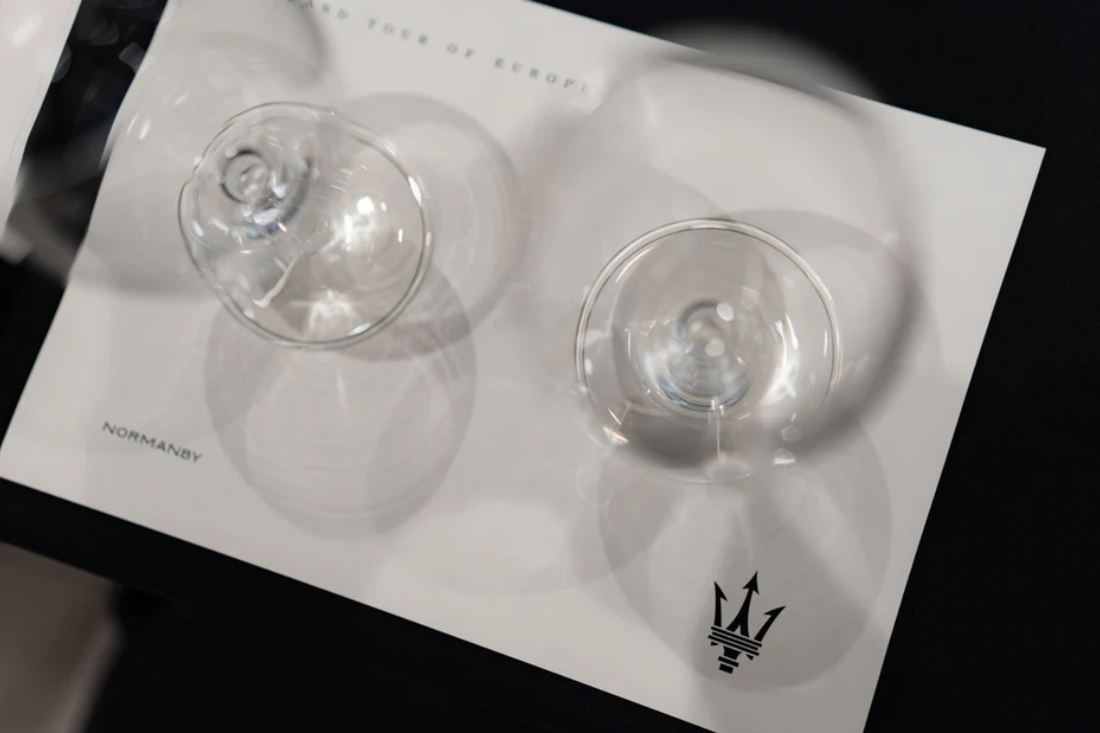
A Grand Tour of Europe – A Private Wine Tasting in Auckland
We recently had the pleasure of taking Normanby Fine Wines off site to present A Grand Tour of Europe, a private wine tasting in Auckland created for a very special evening with Maserati and their guests. Taking Normanby beyond the store is something we love doing. It gives us the opportunity to bring together the wines, producers, food and service that are such an important part of the Normanby experience, and create something completely bespoke in a different setting.
Learn more
MICHELIN Grapes: Burgundy's Best Wineries Receive a New Benchmark for Excellence
For decades, the MICHELIN Guide has shaped the way we think about the world's greatest restaurants. This year, New Zealand welcomed Michelin inspectors for the first time, placing the guide firmly in the spotlight. At the same time, Michelin has quietly launched another significant initiative: MICHELIN Grapes, a new rating system recognising the world's finest wine estates. Unlike many traditional wine critics, who typically assess individual wines or vintages, MICHELIN Grapes recognises the producer itself. The inaugural 2026 selection focuses solely on Burgundy, evaluating domaines on the quality of their vineyards, winemaking, expression of terroir, consistency across vintages and the recognisable style of the estate.What Are MICHELIN Grapes? Michelin's connection to wine isn't entirely new. The guide introduced its Outstanding Wine List Award in 2004, followed by the MICHELIN Sommelier Award in 2019. MICHELIN Grapes takes that commitment a step further. Rather than awarding a single bottle, inspectors assess the estate as a whole. The published criteria include: Vineyard quality and agronomy Winemaking excellence Expression of site and terroir A distinctive and recognisable house style Consistency over multiple vintages The system mirrors the famous Michelin restaurant stars, with wineries receiving one, two or three grapes, alongside a broader list of "Selected" producers. Why Burgundy Was Chosen First It feels entirely appropriate that Burgundy became the first region to receive the MICHELIN Grapes treatment. A wine region that places greater emphasis on the relationship between vineyard, producer and terroir. Evaluating an estate across multiple vintages arguably tells a richer story than judging a single release. The inaugural 2026 selection recognises 94 estates, including: 9 Three-Grape estates 20 Two-Grape estates 33 One-Grape estates 32 Selected producers The names at the very top are hardly surprising. Domaine de la Romanée-Conti, Domaine Leroy, Domaine Coche-Dury and Domaine Georges Roumier have long been considered among the world's greatest wine producers. Their wines are exceptionally rare, tightly allocated and command prices that place them beyond the reach of most collectors. One question inevitably follows: will another prestigious accolade make these already scarce wines even more difficult to access?Where the Real Interest Lies Perhaps the greatest value of MICHELIN Grapes isn't confirming what collectors already know. Instead, it's shining a light on outstanding producers whose wines remain remarkably attainable. Browsing the One Grape category quickly reveals a number of domaines producing exceptional wines without the eye-watering prices associated with Burgundy's most famous names. Among them is Henri & Gilles Buisson.Henri & Gilles Buisson: A Producer Worth Discovering Located in Saint-Romain, Henri & Gilles Buisson has been imported by Normanby Fine Wines since late last year. Our Director of Wine, Liz Wheadon, visited the domaine during her Burgundy trip last year and immediately recognised the quality of both the vineyards and the wines. Given Michelin's emphasis on vineyard management, terroir and consistency, seeing Henri & Gilles Buisson recognised comes as little surprise. What makes the inclusion particularly exciting is the value. While many MICHELIN-recognised producers sell for thousands of dollars per bottle, the top wine in the Henri & Gilles Buisson range sits at $125, while their Bourgogne is available for $64.99—offering remarkable value for a domaine now recognised alongside some of Burgundy's greatest names. There is still a small amount of the 2023 Bourgogne available, while the 2024 vintage arrives in mid-August 2026 The full range is already online and we're happy to accept pre-orders. Given the attention this recognition is likely to generate, we expect the wines to sell through quickly. The Inaugural 2026 MICHELIN Grapes Awards 🍇🍇🍇 Three MICHELIN Grapes (9) Domaine Cécile Tremblay Domaine Coche-Dury Domaine d'Auvenay Domaine de la Romanée-Conti Domaine Leroy Domaine Dugat-Py Domaine Hubert Lamy Domaine Jean-Marc & Thomas Bouley Domaine Georges Roumier 🍇🍇 Two MICHELIN Grapes (20) Arnaud Ente Benoît Ente Benoît Moreau Bonneau du Martray Bruno Clair Bruno Lorenzon Denis Mortet Domaine des Comtes Lafon Domaine des Croix Domaine Leflaive Domaine Dujac Dureuil-Janthial Etienne Sauzet Georges Mugneret-Gibourg Gérard Mugneret Jacques-Frédéric Mugnier Jean-Claude Bachelet Jean-Marc Vincent Lamy-Caillat Paul Pillot 🍇 One MICHELIN Grape (33) Domaine Armand Rousseau Domaine Claude Dugat Domaine Denis Bachelet Domaine Duroché Domaine Joseph Roty Domaine Trapet Domaine Comte Georges de Vogüé Domaine Ghislaine Barthod Domaine Hudelot-Noëllat Domaine Louis Boillot Clos de Tart Domaine des Lambrays Domaine Ponsot Domaine Arnoux-Lachaux Domaine Sylvain Cathiard Domaine Méo-Camuzet Château de la Tour Domaine Faiveley Domaine Bernard-Bonin Domaine Henri Boillot Domaine Henri Germain Domaine Roulot Domaine Vincent Girardin Domaine de Montille Domaine Marquis d'Angerville Domaine Michel Lafarge Domaine Roblet-Monnot Benjamin Leroux Maison Joseph Drouhin Maison Louis Jadot Pierre-Yves Colin-Morey Marc Colin Henri & Gilles Buisson Will MICHELIN Grapes become as influential as Michelin Stars? Only time will tell. For collectors, the top estates were already household names. The real value of this new classification may lie elsewhere: identifying producers quietly crafting exceptional wines before demand inevitably catches up. For us, it's particularly pleasing to see Henri & Gilles Buisson recognised in the inaugural selection. It's further validation of a producer we were excited to introduce well before Michelin came calling—and one we believe offers some of Burgundy's most compelling value today. If you've been looking for an opportunity to experience a Michelin-recognised Burgundy producer without entering four-figure territory, this may be one of the most exciting places to start.
Learn more
A Remarkable Champagne Evening Among Extraordinary Art
Some tastings stay with you long after the last glass has been poured. Last night's Champagne tasting was one of those evenings, made even more memorable by its setting amongst the extraordinary Zoomorphic Lounge exhibition, presented by Webb's. Surrounded by an exceptional private art collection, the wines seemed to take on another dimension, making for a truly unforgettable experience. Our line-up celebrated the remarkable diversity of Champagne. We explored Grower Champagnes alongside the great Négociant houses, tasted Prestige Cuvées, compared Non-Vintage and Vintage expressions, and enjoyed the newly released Dom Pérignon 2017 before moving through exceptional vintages from 2013 and 2018. From Chardonnay-led wines to Pinot Noir-dominant styles, finishing with a stunning (and now sold out) rosé from Vilmart, every wine brought something unique to the conversation. An Extraordinary Beginning – Dom Pérignon 2017 There could hardly have been a better way to begin the evening than with Dom Pérignon 2017. This is the smallest volume release in Dom Pérignon's modern history, composed of 61% Chardonnay and 39% Pinot Noir, with seven years on lees and a dosage of 5g/L. The 2017 vintage produced exceptionally ripe Chardonnay, the ripest seen since 2002, giving the wine an immediate generosity while retaining the precision and elegance expected of Dom Pérignon. Already wonderfully approachable, it captivated the room from the very first pour. Vilmart Rosé – Rich, Bold and Beautiful The transition to Vilmart Rosé provided a striking contrast. Often affectionately described as offering a style reminiscent of Krug, it displayed generous richness, spice, toasted notes and vibrant red fruits with impressive breadth across the palate Grower Champagne at Its Best André Clouet Chalky, presented in its distinctive white bottle, surprised many. While André Clouet is best known for Pinot Noir from Bouzy, Chalky is an entirely different expression, crafted from 100% Chardonnay, offering remarkable purity and freshness. Alongside it was Pascal Agrapart Le 7, a blend drawn from seven vineyards with Chardonnay making up around 90% of the wine. Agrapart continues to justify its cult status, producing wines of precision, energy and remarkable complexity that captivated many around the table. The Classic 2013 Vintage Our first vintage comparison focused on 2013, a year now recognised as one of Champagne's great modern classics. A cool growing season and late harvest produced wines with exceptional acidity, balance and longevity. Many believe 2013 has the potential to outlive the celebrated 2012 vintage. We began with Billecart-Salmon Vintage 2013, a classically crafted Pinot Noir-dominant Champagne showing elegance, restraint and beautiful structure. It was followed by what many considered one of the wines of the evening: André Jacquart Blanc de Blancs Millésimé 2013. Produced entirely from old-vine Chardonnay in Le Mesnil-sur-Oger, the wine spent ten years on lees, underwent no malolactic fermentation, and was matured exclusively in three- to four-year-old Burgundian oak barrels before receiving just 4g/L dosage. The result was a Champagne of remarkable purity, precision and length—truly exceptional. Why 2018 Is a Vintage to Buy The evening concluded with two outstanding examples from 2018, a vintage we believe deserves serious attention from collectors. Louis Roederer Vintage 2018 and Philipponnat Blanc de Blancs 2018 both displayed immense quality while also reminding us why patience is often rewarded in Champagne. These are wines built for the cellar, with concentration, structure and balance that promise even greater complexity over the coming years. If there is one recent Champagne vintage worth buying in quantity, 2018 is certainly high on that list. Champagne, Art and Great Company Exceptional wines are always memorable, but sharing them with a full room of enthusiastic guests amongst one of New Zealand's finest private art collections made this tasting something truly special. Thank you to everyone who joined us for an unforgettable evening. We're already looking forward to our next Champagne tastings in Auckland and Wellington this September. We hope to see you there.
Learn more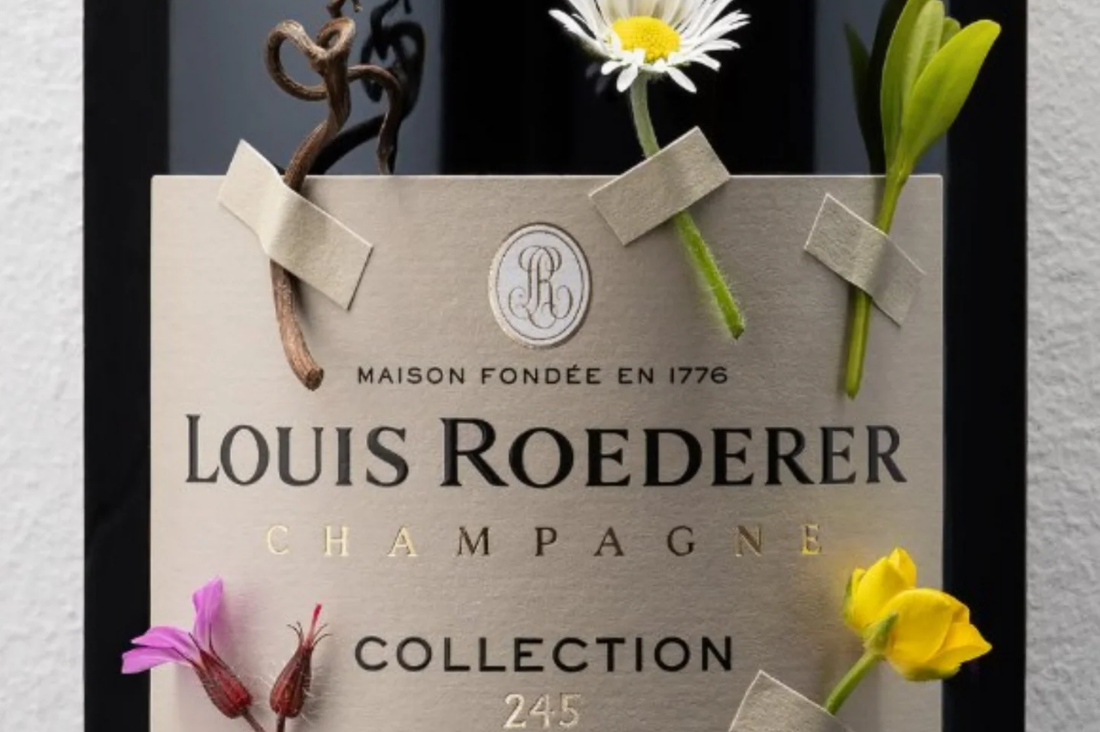
Vintage vs Non-Vintage Champagne
One of the questions we're asked most often is: what's the difference between Vintage and Non-Vintage Champagne? While many people focus on ageing or when to drink each style, the real difference begins in the vineyard and winery. Understanding how each is made helps explain why they taste different and why both have an important place in the world of Champagne. What is Vintage Champagne? A Vintage Champagne is made entirely from grapes harvested in a single year. Champagne houses only declare a vintage when they believe the growing season has produced fruit of exceptional quality. Unlike Non-Vintage wines, Vintage Champagne captures the unique conditions of that particular harvest. Weather patterns, ripeness and growing conditions all influence the final wine, making each vintage a snapshot of that year in Champagne. What is Non-Vintage Champagne? A Non-Vintage Champagne (NV Champagne) is produced by blending wines from multiple years. The winemaker combines a base wine from a recent harvest with carefully selected reserve wines from previous vintages. The purpose of this approach is consistency. Reserve wines add depth, complexity and balance, allowing the Champagne house to produce a wine that faithfully reflects its signature house style year after year. How Louis Roederer Redefined Non-Vintage Champagne Louis Roederer has taken the traditional Non-Vintage concept a step further with its acclaimed Collection series. Rather than simply calling the wine Non-Vintage, every release is identified by a Collection number displayed prominently on the label. The current release, Collection 246, represents the 246th blend created by the house since its founding. This numbering system offers greater transparency while celebrating the individuality of each harvest. Instead of aiming to produce an identical wine every year, Roederer allows each Collection to express the character of the season on which it is built. Carefully selected reserve wines and the house's remarkable oak-aged perpetual reserve ensure every release still carries the unmistakable Louis Roederer style. Collection 246: Built Around the 2021 Harvest Collection 246 is built around the 2021 harvest and beautifully demonstrates the freshness, precision and balance that have become hallmarks of Louis Roederer. It is an excellent example of how a modern Non-Vintage Champagne can combine the personality of a specific vintage with the consistency and complexity that reserve wines provide. A Great Time to Buy Louis Roederer With a Louis Roederer price increase taking effect in August 2026, now is an excellent opportunity to add to your cellar. Whether you're discovering Collection 246 for the first time or looking to secure one of the house's celebrated prestige cuvées, now is an ideal time to explore the range before the new pricing comes into effect.
Learn more
Wellington Opening
On Tuesday night, we opened Normanby Wellington, our newest store—a retail space and wine bar within the Gallery at Webb’s on Marion Street. Guests enjoyed a selection of wines including Domaine de la Bretauche, Whispering Angel Rosé poured from magnums, Domaine Jean Dauvissat Chablis 2023, and Château Haut-Roc 2016 from Saint-Émilion. Hennessy XO was also served from a three-litre bottle, poured using a fussière, the traditional pipette used in Cognac. Alongside the wines, we shared a selection from our menu, featuring bread from Shelly Bay Bakery and our much-loved cheesecake, with many of the fine ingredients sourced from Sabato.
Learn more
Normanby Wellington: A New Chapter in Wine & Retail
We’re excited to share that Normanby is heading to Wellington. Our second store opens on 30 March 2026, bringing our take on wine and retail to the capital. It’s a big moment for us, and one we’ve been looking forward to for a while. At its core, Normanby Wellington will feel familiar — a focus on fine wine and spirits, thoughtful service, and a carefully considered retail experience. But as always, we believe good retail should offer more than just a product and a price. It should be a place you want to spend time in. That’s where the Wellington space comes into its own. Alongside the retail offering, we’ll be opening our wine bar from the middle of the day, easing from lunch into the evening. Whether you’re stopping in for a quick glass or settling in a little longer, the idea is simple — good wine, good food, and a space that feels easy to be in. We’ll be open Monday through Saturday to start. You’ll find us inside Webb’s Gallery on Marion Street, which brings a completely different energy to anything we’ve done before. While the Normanby identity carries through, each site is shaped by its surroundings, and Wellington called for something distinct. It was never about recreating Mt Eden — it was about responding to the gallery and the city around it. To do that, we partnered with Studio 11:11 and Wellington-based designer Nathan Varga, who knows the space well from his involvement in the original gallery design. Together, the goal was to introduce a wine and spirits retail environment into a working gallery without disrupting what makes it special. The result is something we’re really proud of. The fit-out sits comfortably within the gallery, with shelving and storage designed to feel almost sculptural — part of the space rather than imposed on it. There’s a quiet balance between warmth and restraint, allowing both the art and the wine to speak for themselves. As with Mt Eden, the details matter. You’ll see familiar partnerships throughout — from coffee and glassware to food — alongside locally sourced bread from Shelly Bay Bakery. The wine and spirits selection will closely reflect Auckland, with the same focus on quality and discovery. The team will also feel like an extension of what we’ve built already. Tom Mapplebeck will lead the Wellington space alongside his role with Webb’s, supported by a great group including Macy, Edith, Sacha and Philip. Many of you may have already met some of them. This is more than just a new business opening for us. It’s a chance to bring what we’ve been building into a new city, and to continue shaping what wine retail in Wellington can look like. We’re looking forward to opening the doors and welcoming you in. From 30 March — see you there. 23 Marion Street, Te Aro, Wellington Monday – Wednesday: 9am – 8pmThursday - Saturday: 9am - 9pm
Learn more