The term Grower Champagne is nothing new, though it’s one we’re seeing and hearing more and more. But what is Grower Champagne, and how does it differ from the bottles produced by Champagne’s famous houses?
In simple terms, Grower Champagne is made by producers who grow their own grapes and make and sell the Champagne themselves.
To us in New Zealand, where estate-grown and estate-made wines are commonplace, that might sound like the obvious way to make wine. Champagne, however, works a little differently.
How Champagne Traditionally Works
Much of Champagne’s production comes from the great négociant houses. These houses may own significant vineyards themselves, but they also purchase grapes from growers across the Champagne region.
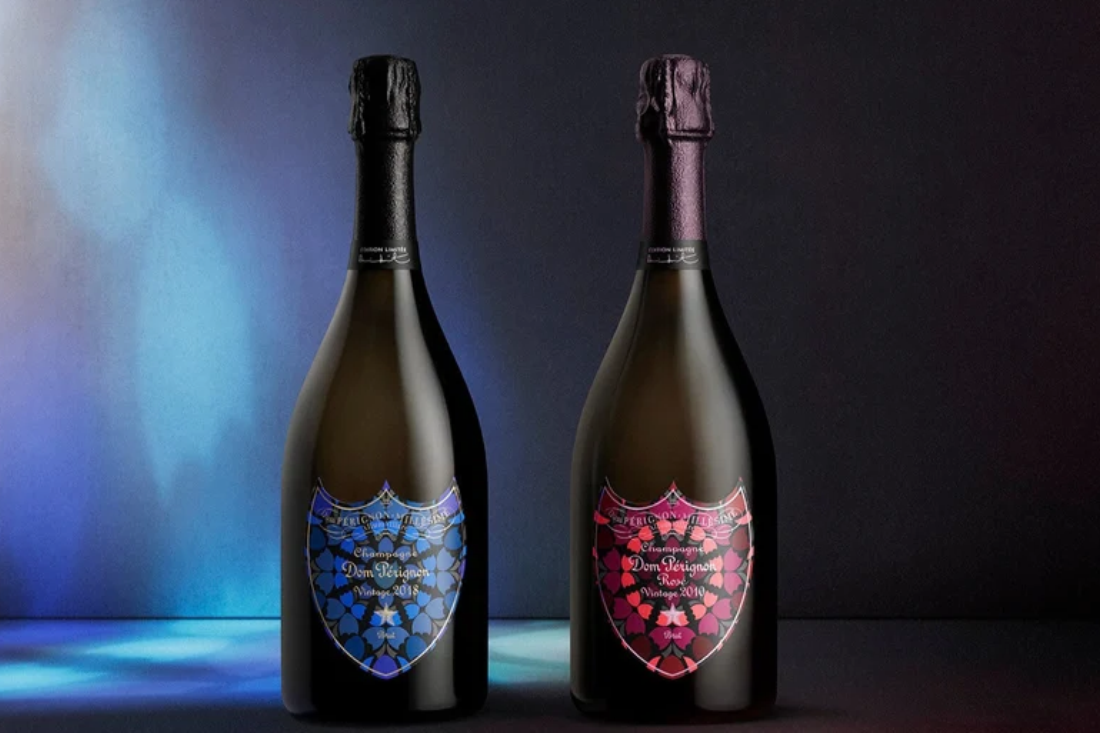
Think of names such as Veuve Clicquot, Moët & Chandon, Louis Roederer and Laurent-Perrier.
The scale and skill involved is impressive. The great houses are masters of blending wines from different vineyards, villages, grape varieties and, importantly, different vintages.
For their non-vintage Champagnes, the aim has traditionally been to create a recognisable house style. Whether you open the bottle in New York, London, Paris or Auckland, there should be a familiarity to the Champagne in your glass.
So, What is Grower Champagne?
Grower Champagne offers a different perspective on the region.
Rather than purchasing fruit from a large network of growers, these producers make Champagne predominantly from grapes grown in their own vineyards.
They tend to operate on a much smaller scale, often with vineyards concentrated around a particular village or part of Champagne. This gives the wines an opportunity to speak quite specifically of where they come from.
Instead of looking first for consistency of a house style, you may find yourself exploring the character of a particular village, vineyard, grape variety, vintage or winemaker.
It’s one of the things that makes Grower Champagne so interesting.
What Does RM Mean on a Champagne Label?
If you’re looking closely at a bottle of Grower Champagne, you may come across the letters RM.
RM stands for Récoltant-Manipulant — essentially a grower who makes and markets Champagne from grapes grown predominantly in their own vineyards.
By comparison, many of the large Champagne houses are identified as NM, or Négociant-Manipulant. These producers are permitted to supplement their own vineyard holdings by purchasing grapes, must or wine from other growers.
It’s a small detail on the label, but an interesting one when you start exploring Champagne more closely.
Why Does Grower Champagne Taste Different?
There isn’t really one single “Grower Champagne style”.
That is rather the point.
Some producers focus closely on Chardonnay, producing Blanc de Blancs. Others work predominantly with Pinot Noir or Meunier, including Blanc de Noirs. Some make wines from individual villages or vineyard sites, while others blend across their holdings.
Winemaking choices vary enormously too, from fermentation vessels and reserve-wine programmes to time on lees and dosage.
The result is a category of Champagne with a huge amount of personality. The wines can offer a particularly interesting expression of producer, vineyard, village and vintage.
Is Grower Champagne Better Than Champagne From the Grandes Marques?
Not necessarily — and we don’t think that’s the most interesting way to look at it.
The great Champagne houses and the growers represent two different sides of the same remarkable region.
There is extraordinary skill involved in producing a great house Champagne. Blending fruit from numerous vineyards and reserve wines from different years to create something balanced, complex and recognisable is an art in itself.
Grower Champagne gives us something different: smaller-scale production and often a closer focus on a particular place, variety or individual producer’s philosophy.
There is room for both. In fact, exploring them alongside one another is one of the best ways to understand Champagne.
Why Grower Champagne is Worth Exploring
For anyone interested in wine, Grower Champagne opens another door into a region that can sometimes appear dominated by a handful of famous names.
Many of these producers are tiny compared with the grandes marques. They generally have less marketing, less global distribution and considerably less noise surrounding them.
What they do have is fascinating vineyard material and, in many cases, generations of experience farming the same land.
That combination has made Grower Champagne an increasingly interesting part of the wider Champagne conversation.
A House of Champagne
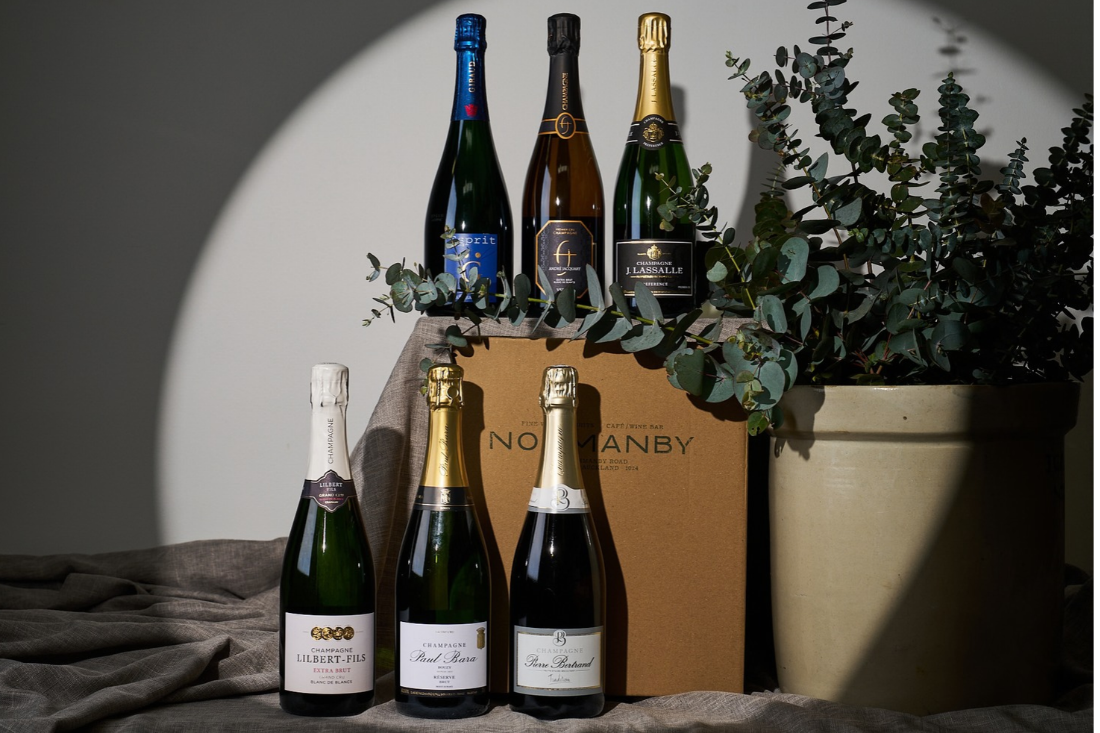
At Normanby, we don’t have a house Champagne. We prefer to think of ourselves as a house of Champagne.
For us, part of the pleasure of Champagne is being able to explore its breadth. That means the great négociant houses sitting happily alongside small growers, celebrated names alongside producers you may be discovering for the first time.
Neither tells the complete story of Champagne on its own.
Put them together, though, and things become much more interesting.