There are some Burgundy producers whose wines you admire for years before finally having the opportunity to visit. Thibault Liger-Belair has long been one of those producers for me, so I was absolutely delighted to finally spend time at the domaine, meet Thibault himself and discover more about the man behind these exceptional wines.
It turned out to be one of those visits that reminds you exactly why you love working in the world of wine.
 Nine Generations in Burgundy, but a New Beginning
The Liger-Belair family has been part of Burgundy's wine history for almost three centuries, with a fascinating family story.
Thibault is related to Louis-Michel Liger-Belair of Domaine du Comte Liger-Belair. Their great-grandfathers were brothers, although the two wine businesses separated in the 1930s.
What I found particularly interesting is that despite nine generations of family involvement in the wine business, Thibault and his cousin Louis-Michel are the first generation to actually become vignerons, working the vineyards and making the wines themselves.
Thibault grew up in Paris, rather than amongst the vines of Burgundy, and there is something quite wonderful about the way he speaks of the opportunity he has inherited.
He is an incredibly humble man, very open about the privilege of his upbringing and the extraordinary vineyards he has the opportunity to work with. But with that privilege comes something he clearly feels very strongly: a responsibility to look after these great terroirs and to produce the finest wines he possibly can from them.
It is a philosophy that seems to influence every decision he makes.
A Commitment to the Vineyards
When Thibault took over the family vineyards in 2001, he began with just nine hectares.
He quickly set about changing the way the land was managed, moving away from chemical treatments and working to restore the health and vitality of the vineyards. His ambition was not simply to maintain what he had inherited, but to leave the land in a better condition than he found it.
By 2004, he had adopted biodynamic viticulture, an approach that continues to influence his work today.
In 2008, he expanded into Beaujolais, bringing the same thoughtful approach to a different collection of vineyards and terroirs. Alongside the domaine wines, he also operates a négociant business, allowing him to work with additional vineyards and appellations.
Throughout our conversation, what became increasingly apparent was the extraordinary attention he gives to every element of the winemaking process.
And nowhere was this more fascinating than when we started talking about oak.
 The Extraordinary Detail Behind Every Barrel
I could have spent the entire visit discussing oak with Thibault.
Since 2005, he has personally selected the oak used for his wines, choosing particular trees for particular cuvées.
Not simply choosing a forest or a cooper, but considering the individual tree and the characteristics of the wood itself.
And he takes this even further.
We talked about how the position of the wood within a tree can influence its character. The northern and southern sides of a tree experience different exposure to sunlight, wind and weather, potentially creating differences in the wood. Thibault considers these details when selecting the staves that will eventually become his barrels.
It is an extraordinary level of attention, and a fascinating insight into how he thinks about his wines.
For Thibault, oak is not simply a vessel for maturation. It is another element that must work in harmony with the wine and its terroir.
Our conversation inevitably moved to the oak forests of Argonne and Henri Giraud Champagne, a producer whose wines I absolutely adore and whose approach to oak is equally fascinating.
Interestingly, Thibault had experimented with Argonne oak for some of his Chardonnay, but didn't particularly like the result. Yet he was full of admiration for the way Henri Giraud uses it in Champagne.
I loved this part of our conversation. Two producers working with exceptional wines, both paying extraordinary attention to oak, yet finding that what works beautifully for one wine may not work for another.
It was one of those conversations that could have continued for hours.
Even the Tasting Glass Changes with the Vintage
Another wonderful detail that stayed with me was Thibault's approach to tasting glasses.
We often discuss the importance of choosing different glasses for different grape varieties or wine styles. It is something we spend a great deal of time considering at Normanby.
But Thibault takes this thinking a step further.
He changes the glass he uses to taste his wines in the cellar depending on the vintage.
For him, every vintage has its own character, structure and expression, and the glass should be chosen to best reveal those qualities.
It is such a small detail, but one that says an enormous amount about the man.
Nothing is simply done because that is how it has always been done. Everything is considered, questioned and adapted to suit the wine.
 The Man Behind the Wines
I spent a very long time with Thibault, and could quite happily have stayed much longer.
There were so many fascinating conversations, far more than I could possibly cover here. But what connected them all was his curiosity, his attention to detail and his willingness to question even the smallest elements of the winemaking process.
Despite the extraordinary vineyards he works with and the history of the family name, there was no sense of complacency.
Quite the opposite.
Here is someone who recognises the opportunity he has been given and is determined to do everything possible to honour it.
I left feeling inspired, invigorated and reminded of why I find the world of wine so endlessly fascinating.
Thibault Liger-Belair Arrives at Normanby
It is always exciting to introduce a new Burgundy producer to Normanby, but particularly so when there is a personal connection and a visit that has left such a lasting impression.
We are absolutely delighted to now have Thibault Liger-Belair wines at Normanby and look forward to what we hope will be a very long association with Thibault and his domaine.
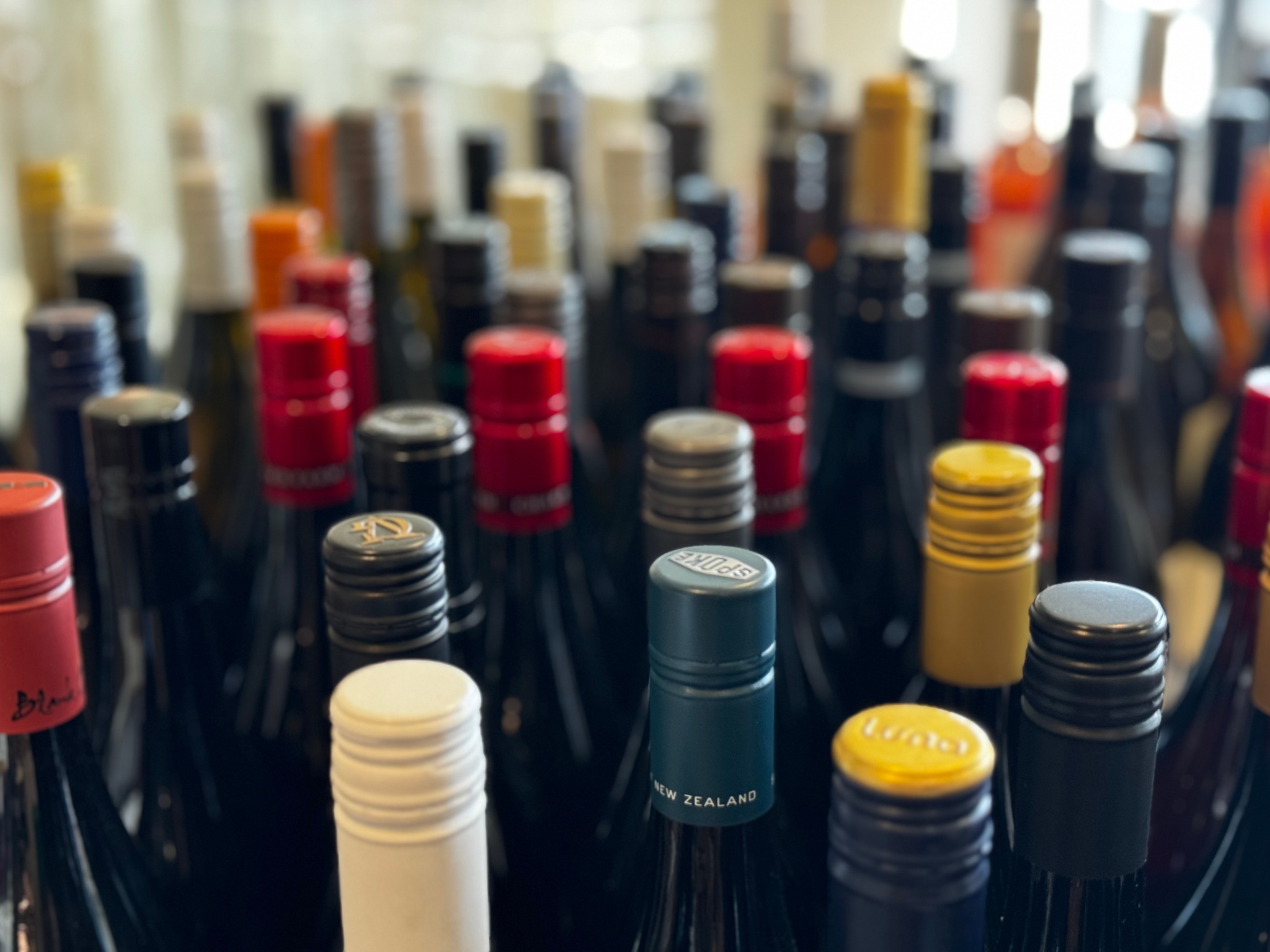
Over the coming weeks, we will be introducing the wines through tastings in Auckland and Wellington, along with opportunities to explore his Bourgogne wines in-store.
I am particularly looking forward to sharing not only the wines themselves, but some of the wonderful stories and conversations from my visit.
Because sometimes the most memorable wines become even more special when you have had the opportunity to meet the person behind them.